
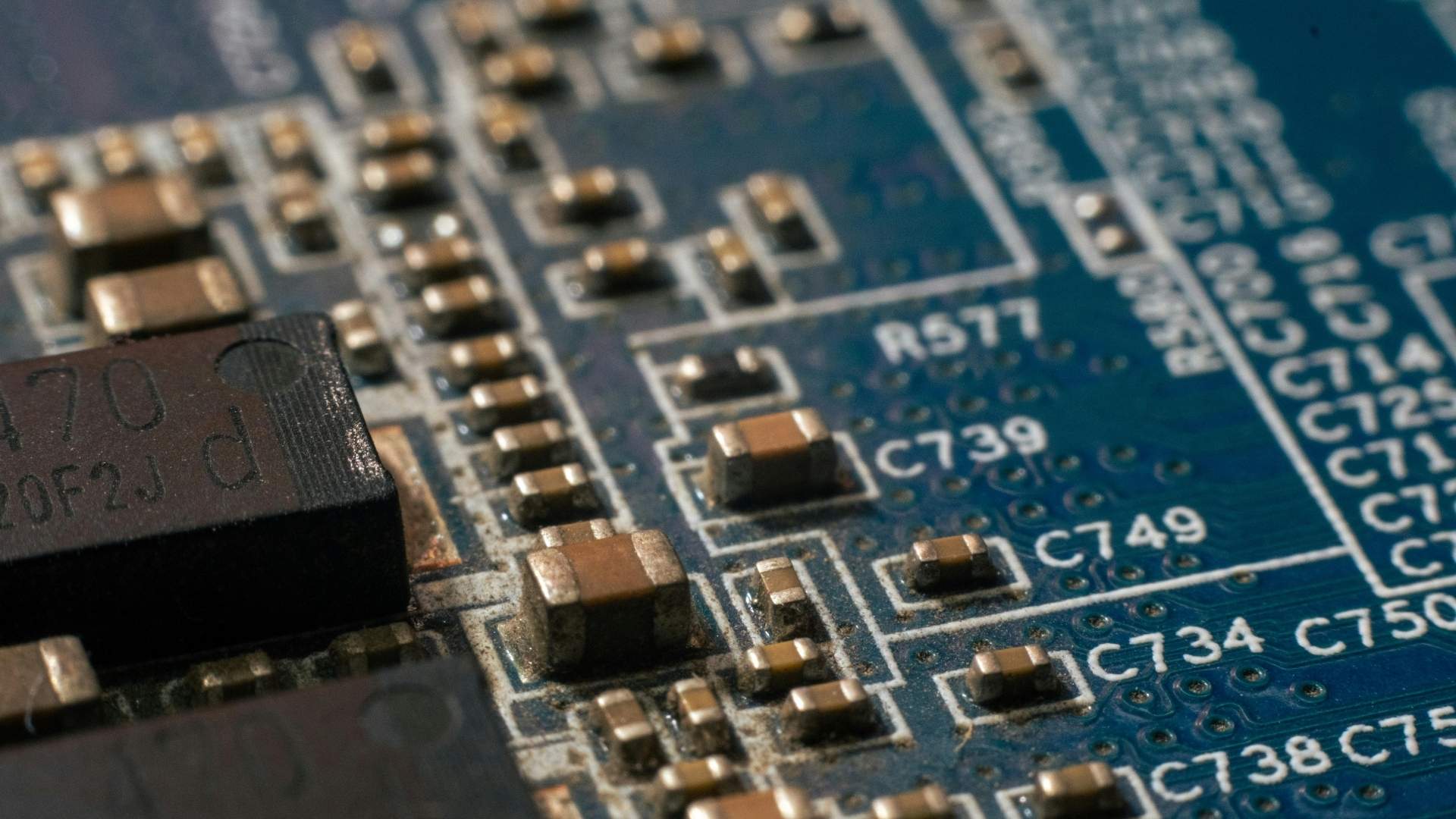
Machine vision technology has made remarkable strides in recent years, evolving from rudimentary systems to sophisticated solutions that can analyze images and video data in real-time. As industries continue to embrace automation and artificial intelligence, the potential applications of machine vision are becoming increasingly vast. On a related note, organizations interested in exploring these advancements often find themselves visiting the homepage of technology leaders to discover the latest innovations and offerings in this dynamic field.
What is Machine Vision?
Machine vision refers to the use of computer algorithms and imaging systems to enable machines to interpret and understand visual information. This technology combines hardware and software to capture images, process them, and make decisions based on the data extracted. Commonly used in manufacturing for quality control, machine vision can also be applied in sectors such as healthcare, agriculture, and autonomous vehicles.
Current Applications of Machine Vision
The current applications of machine vision technology are diverse and impactful. Some prominent areas include:
- Manufacturing: In production lines, machine vision systems inspect products for defects, ensuring quality and consistency.
- Healthcare: Machine vision assists in medical imaging, helping doctors identify abnormalities in scans with greater accuracy.
- Transportation: Autonomous vehicles rely on machine vision to interpret road signs, detect obstacles, and navigate safely.
- Agriculture: Machine vision is used in precision farming to monitor crop health and automate harvesting processes.
Future Trends in Machine Vision Technology
The future of machine vision technology is poised for significant growth and innovation. Several trends are shaping its trajectory:
- Integration with Artificial Intelligence: The incorporation of AI and machine learning algorithms will enhance the ability of machine vision systems to learn from data, improving their accuracy and adaptability.
- Edge Computing: As the need for real-time data processing increases, more machine vision applications will leverage edge computing, reducing latency and enhancing performance.
- 3D Vision Systems: Advancements in 3D imaging technologies will allow machines to perceive depth and dimensionality, enabling more complex tasks such as robotic manipulation.
- Increased Accessibility: As costs decrease and technology becomes more user-friendly, machine vision systems will become more accessible to small and medium-sized enterprises.
Challenges Ahead
Despite the promising future, several challenges need to be addressed to fully realize the potential of machine vision technology. One major hurdle is the need for high-quality data. Machine vision systems rely heavily on vast datasets for training and validation. Ensuring the availability and diversity of these datasets is crucial.
Additionally, there are concerns regarding privacy and security, particularly in applications like surveillance. As machine vision technology becomes more pervasive, it is essential to establish ethical guidelines and regulations to protect individual rights and prevent misuse.
Embracing the Future
As machine vision technology continues to evolve, it holds the promise of enhancing efficiency and accuracy across various industries. Organizations that proactively embrace these advancements will not only gain a competitive edge but also contribute to shaping a future where machines can better understand and interact with the world around them. By staying informed through resources available on relevant homepages, businesses can keep pace with the rapid developments in this exciting field and harness the full potential of machine vision technology.