
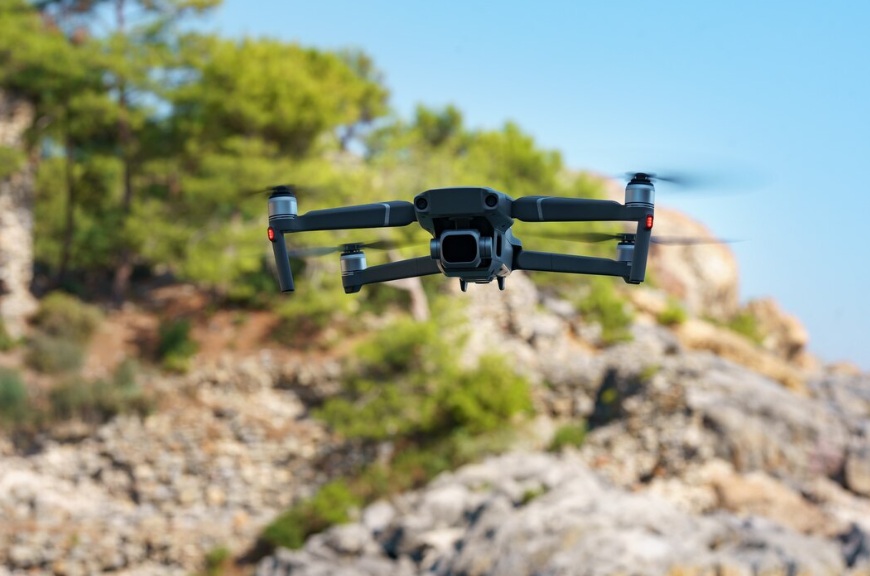
Defining UAVs and Drones
The terms UAV (Unmanned Aerial Vehicle) and drone are often used interchangeably, yet they have distinct meanings in today’s technological landscape. UAVs refer specifically to any aircraft that operates without a human pilot onboard, consisting of both the aircraft itself and its control system. The term “drone” has evolved to describe a wide array of UAVs, especially in consumer markets, and encompasses everything from hobbyist devices to industrial-grade machinery.
The Application Spectrum
UAVs cater to various sectors, including military, commercial, and recreational uses. Drones, particularly those used for security and surveillance, have gained prominence for their versatility in both urban and rural settings. These devices allow real-time monitoring, improving safety protocols and providing efficient oversight of large areas. In addition, drones serve in fields like agriculture for crop monitoring, photography for aerial shots, and package delivery for logistics companies.
Types of Drones in the Market
The market is flooded with different types of drones, each designed for specific applications. Here are some notable categories:
- Consumer Drones: Typically used for recreational purposes, such as photography and racing.
- Commercial Drones: These are designed for business applications, including aerial surveying, mapping, and agricultural monitoring.
- Industrial Drones: Built for heavy-duty tasks, often employed in construction and infrastructure inspection.
- Military Drones: Utilized by defense forces for intelligence gathering, reconnaissance, and combat operations.
Key Differences Between UAVs and Drones
While UAVs and drones share many similarities, their key differences lie in their design and functionalities. UAVs can be fully automated and programmed for tasks without human intervention, while many consumer drones require manual control. Additionally, UAVs may have advanced sensors and capabilities that make them suitable for complex missions, whereas drones can focus on user-friendly features like stability and ease of use.
Technological Advances
The UAV and drone industry is continually evolving, with technological innovations enhancing performance, safety, and usability. Some notable advancements include:
- Improved Battery Life: Extended flight times allow for longer missions and increased operational scope.
- Advanced Imaging Technology: High-definition cameras and thermal sensors enhance surveillance and data collection capabilities.
- Autonomous Navigation: AI-driven systems enable drones to navigate complex environments without direct human control.
Market Trends and Future Outlook
The future of UAVs and drones looks promising, with continuous investment from various sectors. Factors driving growth in the market include innovations in battery technology, regulatory reforms that enhance the usability of drones, and an increasing demand for drones for security and surveillance purposes. Enterprises are starting to recognize the utility of drones in monitoring large premises and improving safety protocols, particularly in industries like retail, agriculture, and construction.
Websites like acecoretechnologies.com are bringing attention to cutting-edge drone technologies that cater to both commercial and industrial applications. These innovations are shaping the new era of flying machines, providing advanced solutions for modern-day challenges.
A Glimpse into the Future of UAVs and Drones
The distinction between UAVs and drones is essential for understanding their roles and capabilities in various markets. As technology continues to advance, the capabilities of these flying machines will expand, unlocking new opportunities and applications. From enhancing security measures to revolutionizing industries like agriculture and logistics, UAVs and drones are poised to play a crucial role in our future, making them indispensable tools in our ever-evolving world.